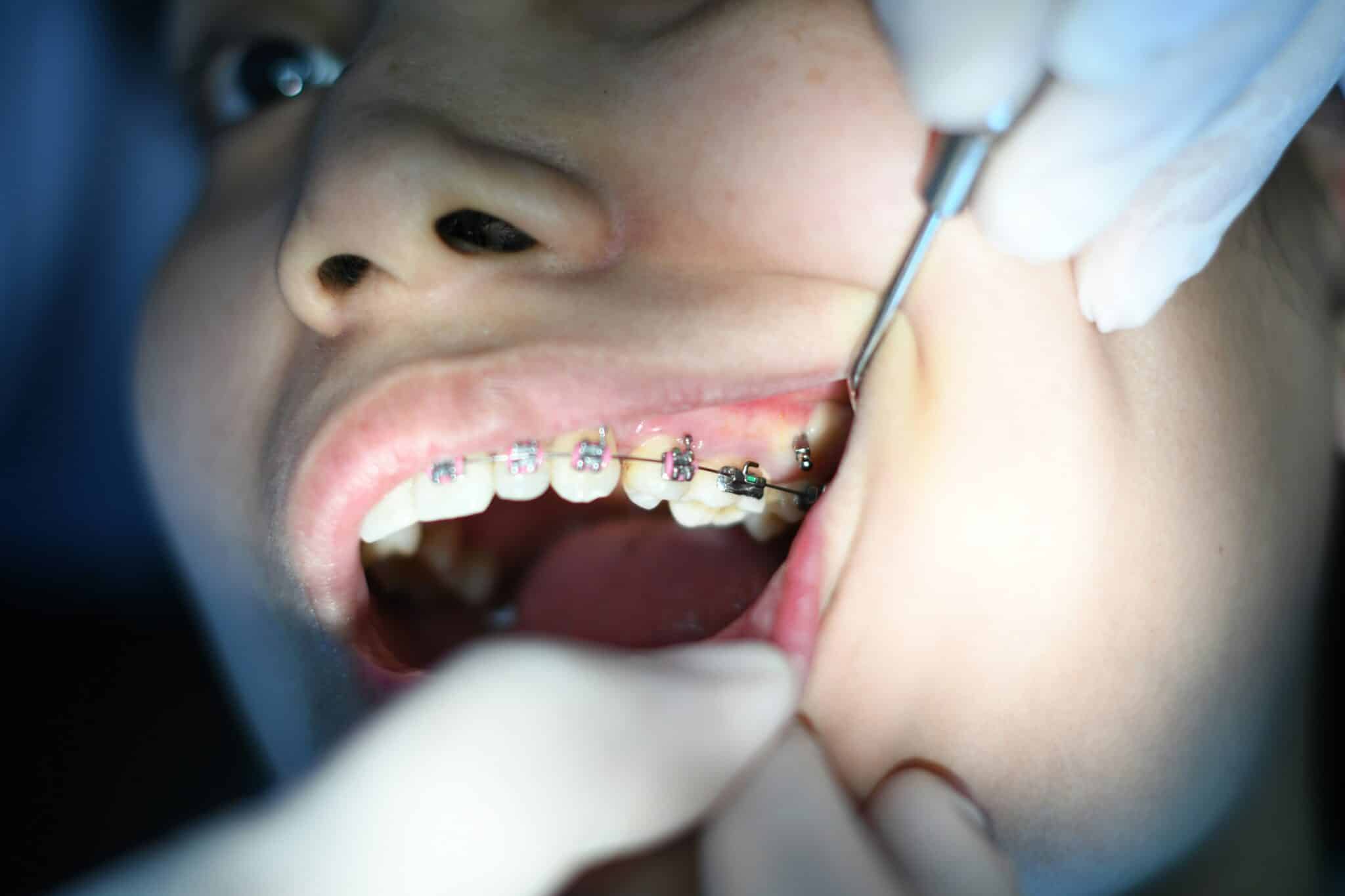




Finishing orthodontic treatment is a major milestone. After months or even years of braces or Invisalign, seeing your straight smile feels incredibly rewarding. However, keeping those results is just as important as achieving them. Here’s what many people don’t realize: if you stop wearing your retainer, your teeth can gradually shift out of place. This is known as orthodontic relapse, and it’s more common than you might expect.
Why Teeth Shift After Braces
Yes, your teeth can shift after braces if you stop wearing your retainer. In some cases, movement can begin within weeks, especially right after treatment ends. This is completely natural, as your body is trying to return to what it was used to before treatment.
Braces and aligners move your teeth into new positions, but that doesn’t mean they are permanently set in place. Your teeth are held by ligaments and bone that need time to stabilize, and even after treatment, those tissues are still adjusting. Without a retainer to hold everything in place:
- Teeth can slowly move back toward their original positions
- Bite alignment can begin to change
- Spacing or crowding can return
How Fast Do Teeth Move Without a Retainer?
It depends on the person, but movement can happen faster than most people expect. Many patients don’t notice the changes right away. However, they often become aware of the shift when their retainer no longer fits properly. Here’s a general timeline of how movement can occur:
- First few weeks: Teeth are most vulnerable to shifting
- First few months: Noticeable movement can occur without consistent retainer use
- Long-term: Gradual shifting continues over time
Signs Your Teeth Are Shifting
Even small changes can become more noticeable over time. If you have stopped wearing your retainer, there are a few early warning signs to watch for, including:
- Your retainer feels tight or doesn’t fit anymore
- You notice slight crowding or spacing returning
- Your bite feels different when you close your teeth
- Teeth look slightly misaligned in photos or the mirror
What Is Retainer Relapse?
Retainer relapse occurs when teeth move out of alignment after orthodontic treatment due to inconsistent or discontinued retainer use. The longer you go without wearing your retainer, the greater the risk of relapse.
In mild cases, the changes may be barely noticeable. In more severe cases, teeth can shift enough to require additional orthodontic treatment.
Can Teeth Go Back to How They Were Before?
In some cases, yes. If a retainer isn’t worn for an extended period, teeth can shift significantly toward their original positions, especially in the lower front teeth, where crowding is more common. The good news is that early movement is often easier to correct when addressed promptly.
What to Do If You Stopped Wearing Your Retainer
If you haven’t worn your retainer in a while, don’t panic—start by trying it on.
- If it still fits, even if it feels a little tight, begin wearing it again consistently
- If it doesn’t fit at all, don’t force it
In that case, it is best to contact your orthodontist to evaluate your options. The sooner you address the issue, the easier it is to correct. In many cases, solutions may include:
- A replacement retainer
- Minor corrective treatment
- Short-term aligner therapy
Why Retainers Are a Long-Term Commitment
One of the biggest misconceptions is that retainers are only temporary. In reality, wearing a retainer is essential for maintaining your results long-term. Think of it as protecting the investment you made in your smile. For most patients, that means:
- Wearing it consistently after treatment
- Transitioning to nighttime wear over time
- Continuing to use it regularly to prevent shifting
Don’t Let Your Smile Shift Back
You have already invested time and effort to straighten your teeth, so you do not want to undo all that progress. Wearing your retainer is what keeps your results in place. If you have stopped wearing it or notice changes in your teeth, addressing the issue early can prevent the need for more extensive treatment later.
Contact Tebo Orthodontics
If your retainer no longer fits or you have noticed your teeth shifting, it is a good idea to have it checked. At Tebo Orthodontics, we help patients maintain their results and get back on track if movement has already started.
Contact Tebo Orthodontics today to schedule an appointment and keep your smile looking its best for the long term.