



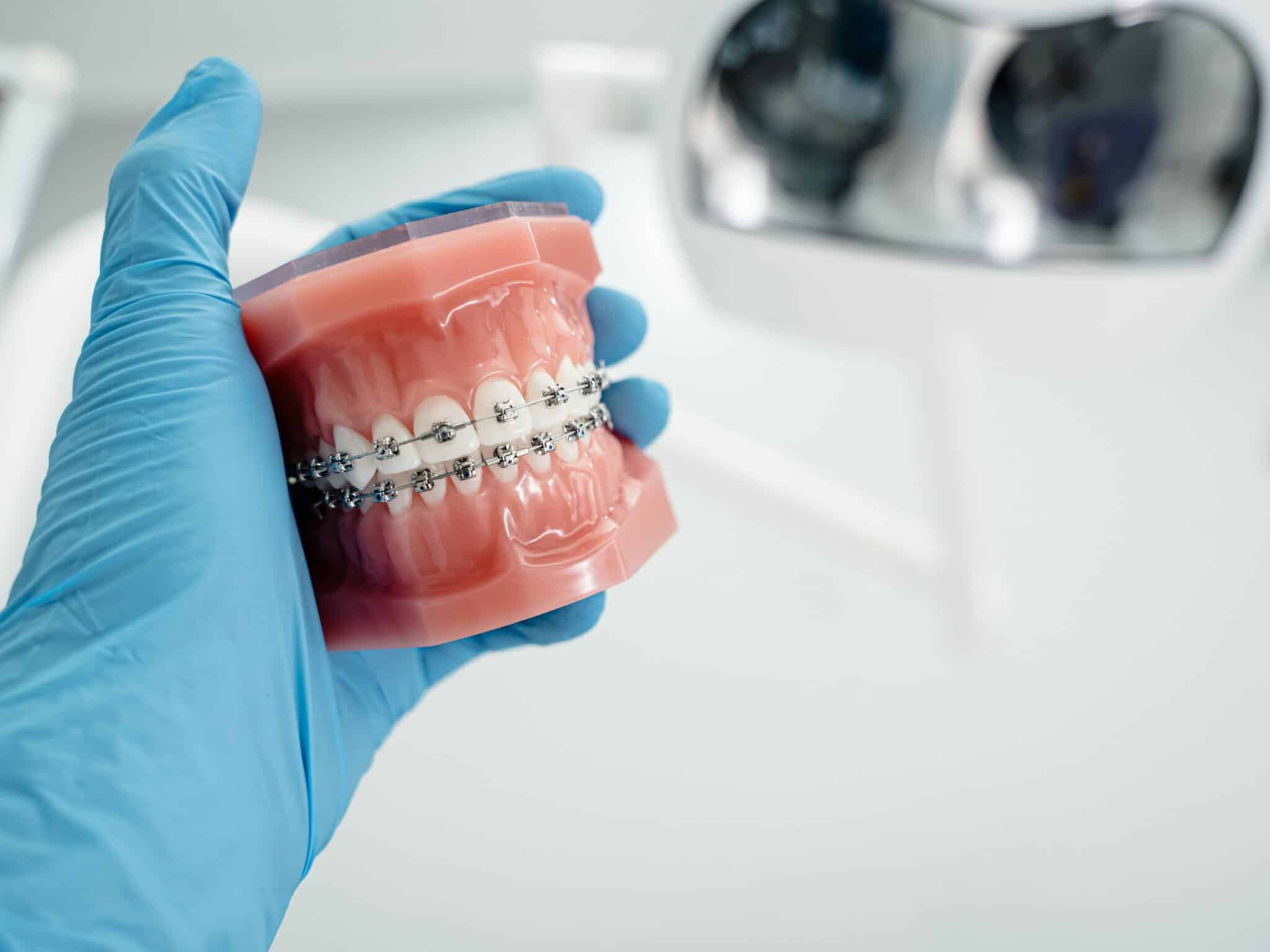
The Short Answer: Extraction Is Not Automatic, and Neither Is Avoiding It
Not necessarily. Many children complete orthodontic treatment without having any permanent teeth removed, while others may need extractions to achieve a healthy, stable bite. The right approach depends on your child’s individual teeth, jaw development, and overall orthodontic needs—not a blanket rule for or against extraction.
If your child’s dentist or orthodontist has already mentioned removing teeth, the next step is understanding why it was recommended and what alternatives may be available.
A quick online search will reveal orthodontic practices that rarely recommend extractions, others that use them more frequently, and personal stories from adults who wish they had kept their teeth. These perspectives reflect real concerns, but every child’s situation is different. At Tebo Orthodontics, we believe treatment decisions should be based on what is best for the individual patient. A good treatment plan should neither avoid extractions at all costs nor recommend them without a clear reason. Parents deserve to understand the reasoning behind every recommendation.
If your child has not had an orthodontic evaluation, our guide to signs your child may need orthodontic treatment is a great place to start.
Which Teeth Are We Talking About? Baby Teeth, Permanent Teeth and Wisdom Teeth
The phrase “teeth removed” can refer to three different situations, and understanding the difference can help ease some of the uncertainty parents may feel.
Baby teeth (primary teeth): Sometimes a baby tooth remains in place longer than expected or blocks an incoming permanent tooth. In these situations, an orthodontist may recommend removing the baby tooth to help create a clearer path for the adult tooth to erupt. An impacted or delayed canine is one example. Learn more in our article about why your child’s canine tooth may not be coming in.
Permanent (adult) teeth: When there isn’t enough room in the dental arch for all the permanent teeth, an orthodontist may recommend removing one or more teeth to create the space needed for proper alignment. Premolars, which are located between the canine teeth and back molars, are sometimes selected. However, the specific teeth depend on your child’s diagnosis and treatment goals. This is typically what parents are referring to when they ask whether their child will need teeth removed before braces, and it is the primary focus of this article.
Wisdom teeth: These teeth develop and erupt later than the other permanent teeth. Their removal is generally a separate consideration from orthodontic extractions, so it’s important to understand which teeth your orthodontist is discussing.
Parents also wonder whether all baby teeth need to fall out before braces can begin. Not necessarily! Some orthodontic treatment can begin while a child still has a combination of baby and permanent teeth. The appropriate timing depends on your child’s development and the orthodontic concerns being addressed. Read more about the best age to start braces.
Why Can’t the Orthodontist Just Make Everything Fit?
This is often the biggest question parents have when an orthodontist recommends removing teeth.
Braces move teeth into better positions, but those teeth still need to fit comfortably within the available space in your child’s jaws. When there is significantly more tooth structure than available space, the orthodontist must determine how to create room for proper alignment.
In some cases, teeth can be moved slightly forward or outward to gain space. However, there are limits to how far teeth can safely and appropriately move.
Orthodontists consider several factors, including how the lips rest over the teeth, how the upper and lower teeth come together, whether the gums and supporting bone can accommodate the new tooth positions, and how stable the results are likely to be after treatment.
The goal isn’t simply to create straight teeth. It’s to achieve a healthy, functional bite and a result that your child’s mouth can comfortably maintain over time. Every child is different, which is why an individualized evaluation is so important.
What an Orthodontist Weighs Before Recommending Extraction
There isn’t one single factor that determines whether a child needs teeth removed before braces. Instead, an orthodontist evaluates several things together to develop the best possible treatment plan.
Some of the most important considerations include:
- Amount of crowding: How much more tooth structure is present than available space in the dental arch.
- Tooth position and angle: Whether teeth are rotated, tipped, or already positioned too far forward.
- Jaw relationship and bite: How the upper and lower jaws fit together, including concerns such as an overbite, underbite, or front teeth that don’t touch when biting.
- Impacted, unerupted, or missing teeth: Teeth that are stuck, have not erupted, or never developed can affect the amount of space needed.
- Remaining growth: A child who is still growing may have treatment options that are no longer available once growth is complete.
- Facial profile and lip position: How the teeth support the lips and contribute to the overall facial profile.
- Treatment goals: What needs to be accomplished to achieve proper alignment, a healthy bite, and a balanced smile.
Two children may have smiles that look equally crowded to a parent but have very different orthodontic needs. One child may have mild crowding and plenty of growth remaining, while another may have significant crowding and teeth already positioned too far forward.
This is why a professional evaluation is essential. What works for one child may not be appropriate for another.
To make an informed recommendation, orthodontists typically combine a clinical examination with diagnostic records such as X-rays, photographs, and dental impressions or digital scans. X-rays are especially helpful because they allow the orthodontist to evaluate teeth that have not yet erupted and cannot be seen during a visual examination.
An online article can help you understand the process, but it cannot replace a comprehensive orthodontic evaluation.
Ways to Make Room Without Extraction, and When They Are Not Enough
Parents are often relieved to learn that orthodontists have several ways to create additional space without removing permanent teeth.
One option is palatal expansion, which can help widen the upper jaw in appropriate growing patients. Because expansion isn’t right for every child, we explain the process and who may benefit in our article about whether your child needs a palatal expander.
Timing can also play an important role. Beginning certain orthodontic treatments while a child is still growing or removing a baby tooth that is blocking an incoming permanent tooth may help address developing space concerns.
However, these approaches have limitations. The amount of space that can be gained varies depending on the child’s age, development, and specific orthodontic needs.
If the amount of space required exceeds what non-extraction methods can reasonably provide, an orthodontist may recommend removing permanent teeth to achieve a healthier and more stable result.
The opposite is also true. A child with mild crowding and significant growth remaining may have several options that allow treatment to move forward without extractions.
The important questions to ask are: How much space does my child need? How much space can alternative treatments realistically create? And what are the potential trade-offs of each approach?
Can You Say No? Trade-Offs and Questions to Ask First
Absolutely. Parents can ask questions, decline a recommendation, or seek a second opinion before moving forward with an extraction. You should never feel rushed into making a permanent treatment decision.
However, it’s important to understand what choosing an alternative treatment plan may mean for your child’s results.
Ask your orthodontist to explain what treatment would look like without extractions, whether that approach is realistic, and what compromises may be involved. For some children, a non-extraction plan works very well. For others, it may create limitations that affect the final bite, tooth position, or long-term stability.
There are also important considerations when permanent teeth are removed. Extraction is a dental procedure, the resulting spaces must be closed during orthodontic treatment, and a permanent tooth cannot be replaced once removed.
You may have also read personal accounts from adults who regret having teeth removed during orthodontic treatment. Those experiences deserve consideration, but every patient starts with a different set of orthodontic needs, treatment goals, and circumstances. One person’s experience cannot determine what is best for your child.
Before making a decision, consider asking your orthodontist these questions:
- Why are you recommending extractions for my child specifically?
- Which teeth would need to be removed, who would perform the procedure, and when would it happen in relation to starting braces?
- What would the treatment plan look like without extractions, and what would we be compromising?
- Could palatal expansion or another non-extraction approach work? Why or why not?
- How long do you anticipate it will take to close the spaces?
- How will we maintain the results after braces come off, and what type of retainer will be recommended?
That final question is important regardless of whether extractions are necessary. Retention is a critical part of maintaining the results of orthodontic treatment. Our article comparing removable vs. fixed retainers explains the differences between these options.
Because permanent tooth extraction is irreversible, seeking a second opinion is also a reasonable step if you have concerns. Your orthodontist should be comfortable explaining the diagnosis, treatment recommendations, and supporting records.
How We Approach the Decision at Tebo Orthodontics
Tebo Orthodontics has provided orthodontic care to Atlanta-area families for more than 40 years. We treat patients of all ages at our offices in Lilburn, Dacula, Peachtree Corners, and Cumming, serving families throughout Gwinnett and Forsyth Counties.
During an orthodontic consultation, our orthodontist will evaluate your child’s teeth, jaw development, and bite to determine whether extractions may be necessary. We’ll also discuss available alternatives and explain the benefits and considerations of each treatment approach.
If orthodontic treatment moves forward, our team will guide patients through proper oral hygiene and daily care throughout the process. Maintaining healthy teeth and gums is important for successful orthodontic treatment, whether or not extractions are part of the plan. We also accept dental insurance plans.
The most important thing to remember is that there is no one-size-fits-all answer when it comes to removing teeth before braces. The right decision should always be based on your child’s individual orthodontic needs, not a general rule for or against extraction.
If you have questions about your child’s treatment options, we’re here to help. Schedule a consultation at the Tebo Orthodontics office nearest you. We’ll take the time to evaluate your child’s smile, answer your questions, and help you understand the best path forward.