



If you or your child has been diagnosed with an underbite, you may be wondering what treatment will involve. One of the most common questions patients ask is whether this issue can be corrected with braces alone or if surgery will be necessary.
The good news is that many underbites can be successfully treated with orthodontic care, especially when the condition is identified early. In these cases, braces and other orthodontic appliances can gradually guide the teeth into better alignment. However, in more severe cases involving the structure of the jaw, surgical treatment may be recommended to achieve the best long-term results.
In this article, we will explore what an underbite is, the treatment options available, and when surgery might be recommended.
What Is an Underbite?
An underbite occurs when the lower teeth extend in front of the upper teeth when the mouth is closed. This condition can range from mild to severe and may affect both a person’s appearance and overall oral health. Underbites can develop for several reasons, including genetics, differences in jaw growth, or certain childhood habits.
Underbites can cause:
- Difficulty chewing or biting food
- Speech challenges
- Excess wear on teeth
- Jaw pain or strain
- Facial imbalance
Can Braces Fix an Underbite?
Yes, braces can often correct mild to moderate underbites, particularly when the issue is caused by tooth alignment rather than jaw structure.
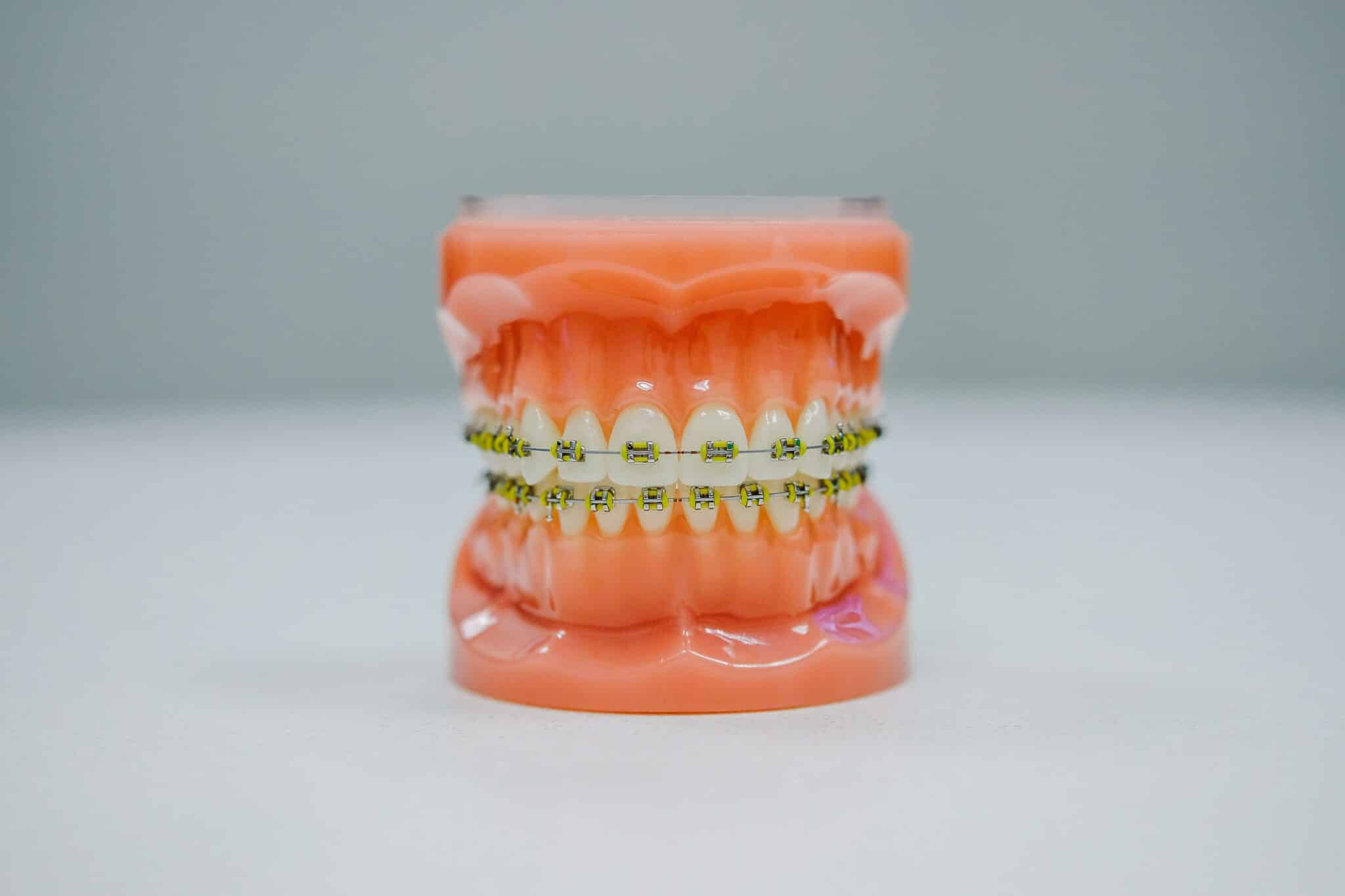
Orthodontic treatment works by gradually moving the teeth into proper alignment so the upper and lower teeth fit together correctly. Over time, braces apply gentle, consistent pressure to shift teeth into their ideal positions. In some cases, orthodontists may also use additional appliances to help guide tooth movement and support proper jaw positioning during treatment.
Treatment options may include:
- Traditional braces
- Clear aligners
- Rubber bands (elastics) to guide bite correction
- Expanders or other orthodontic appliances
When Early Treatment Can Prevent Surgery
One of the biggest advantages of orthodontic care is early intervention, which is why orthodontists often recommend that children receive an orthodontic evaluation around age seven. When treatment begins while a child’s jaws are still developing, orthodontists can guide jaw growth and improve how the upper and lower teeth fit together. In many cases, early treatment can help correct an underbite and reduce the likelihood that surgery will be needed later in life.
Early treatment may involve:
- Palatal expanders
- Growth-guiding appliances
- Braces or partial braces
When Surgery May Be Recommended
In some cases, an underbite is caused by a significant difference in the size or position of the jaws. When the lower jaw is much larger or positioned far forward compared to the upper jaw, braces alone may not be enough to fully correct the problem.
In these situations, orthognathic (jaw) surgery may be recommended in combination with orthodontic treatment. This approach allows the jaw to be repositioned for proper alignment, improving both the function of the bite and the overall appearance of the smile.
Surgery may be considered when:
- The underbite is severe
- Jaw growth has finished (typically in adults)
- Bite problems cannot be corrected with braces alone
- The condition affects chewing, speaking, or breathing
Signs an Underbite Should Be Evaluated
Early evaluation helps determine the most effective and least invasive treatment approach. Parents and patients should consider scheduling an orthodontic evaluation if they notice any of the following signs:
- Lower teeth extending past the upper teeth
- Difficulty biting into foods
- Jaw shifting when closing the mouth
- Frequent jaw discomfort
- Speech difficulties
The Importance of a Professional Evaluation
During a consultation, an orthodontist will assess the bite, take digital images or X-rays, and create a personalized treatment plan. Because every smile is different, the approach to correcting an underbite depends on several factors, such as:
- Age of the patient
- Severity of the underbite
- Jaw growth patterns
- Overall oral health
The Bottom Line
So, can braces fix an underbite without surgery?
In many cases, the answer is yes—especially when the underbite is identified early and is primarily caused by tooth alignment rather than major jaw differences. However, more severe cases may require surgical correction to achieve the best long-term results.
At Tebo Orthodontics, our team specializes in evaluating bite issues like underbites and creating personalized treatment plans for each patient. Whether your treatment involves braces, orthodontic appliances, or other options, we will guide you every step of the way.
If you are concerned about an underbite or want to learn more about your treatment options, schedule a consultation today and take the first step toward a healthier, more confident smile.