



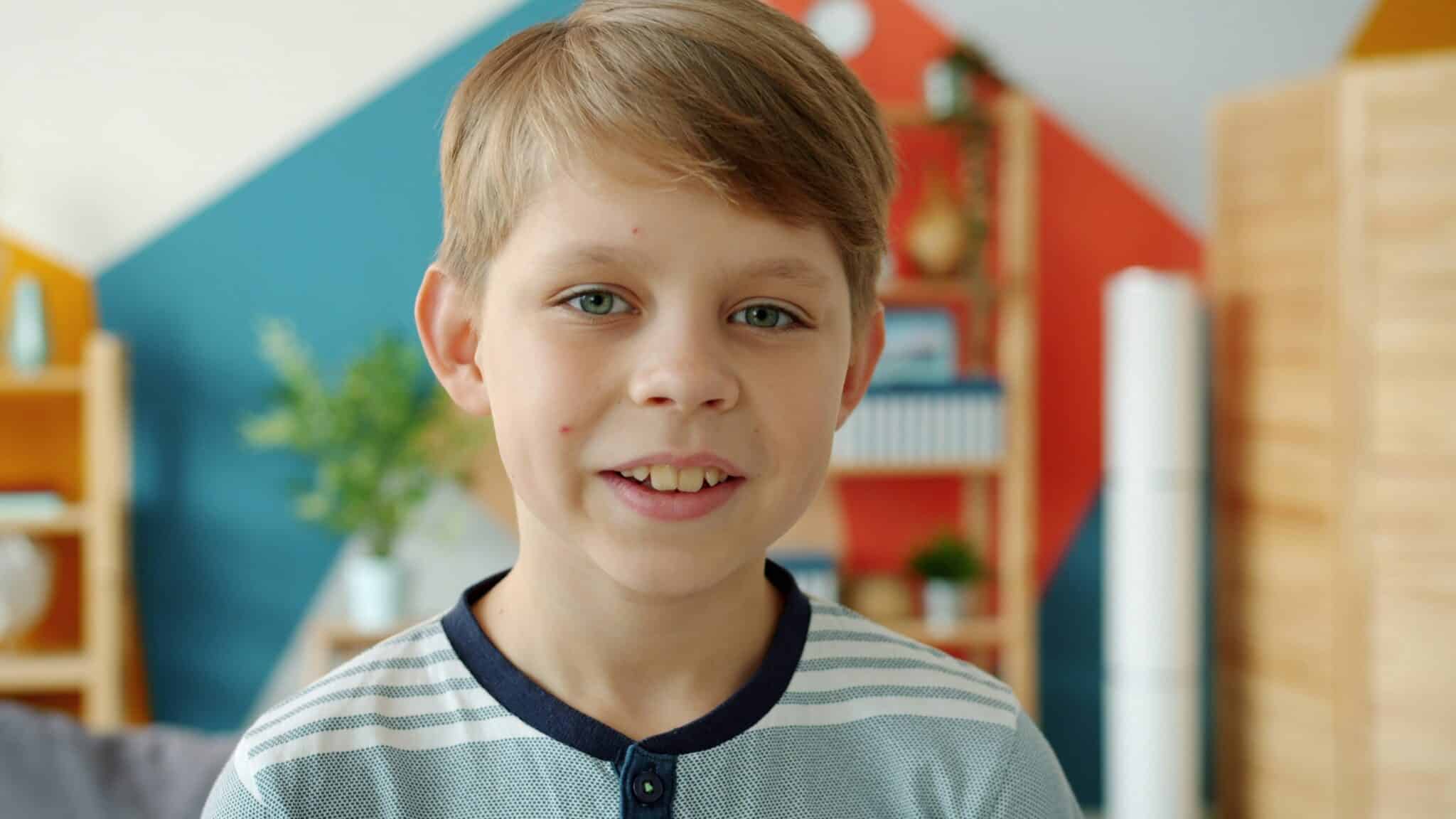
One of the most common reasons parents schedule an orthodontic evaluation is because they’ve noticed their child’s top front teeth seem to stick out more than they should. Sometimes it’s something they’ve observed for years, while other times their family dentist points it out during a routine checkup.
Although prominent front teeth are common, they aren’t always just a cosmetic concern. Depending on the underlying cause, they can affect your child’s bite, increase the risk of dental injuries, and influence how the jaws develop as they grow.
At Tebo Orthodontics, we evaluate children with this concern every day. The good news is that there are several possible causes, and many can be treated or managed effectively when identified at the right time.
Is It an Overjet or an Overbite?
The terms overjet and overbite are often used interchangeably, but they describe two different bite issues.
An overjet refers to how far the upper front teeth project forward in front of the lower front teeth. This is what most parents mean when they say their child’s “top teeth stick out.”
An overbite, on the other hand, describes how much the upper front teeth vertically overlap the lower front teeth when the mouth is closed.
Some children have an excessive overjet, others have a deep overbite, and many have both. Identifying which condition is present is an important first step in determining whether orthodontic treatment is needed.
What Causes Top Teeth to Stick Out?
There isn’t a single cause of protruding front teeth. In some children, the upper jaw naturally develops farther forward than the lower jaw. In others, the lower jaw grows more slowly, making the upper teeth appear more prominent.
Other contributing factors can include:
- Genetics and inherited jaw structure
- Crowding that pushes teeth forward
- The way permanent teeth erupt
- Oral habits such as thumb sucking or prolonged pacifier use
Many parents tell us they had braces for the same reason as children. Since jaw growth and tooth alignment are often inherited, family history frequently plays a role.
Can Thumb Sucking or Pacifier Use Cause Protruding Teeth?
Yes. Prolonged thumb sucking, extended pacifier use, and tongue thrusting can all influence how the teeth and jaws develop.
Over time, these habits place gentle but consistent pressure on the front teeth. That pressure can gradually push the upper teeth forward and interfere with the normal relationship between the upper and lower jaws.
Not every child who sucks their thumb will develop an excessive overjet, but these habits are an important part of every orthodontic evaluation because they can contribute to bite problems as a child grows.
Why Orthodontists Pay Close Attention to Protruding Front Teeth
Many parents assume orthodontic treatment is recommended only for cosmetic reasons, but that’s rarely the case.
When the upper front teeth extend significantly beyond the lower teeth, they’re more vulnerable to injury during sports, playground activities, or accidental falls. Because the teeth project farther forward, they’re simply more exposed to direct impacts.
Depending on the severity of the bite, protruding teeth can also affect chewing, speech, and long-term tooth wear. In some cases, correcting the bite can improve both function and appearance.
Does My Child Need Braces Right Away?
Not necessarily.
One of the biggest misconceptions about orthodontics is that treatment should begin as soon as a problem is identified. In reality, timing is one of the most important factors in achieving the best long-term results.
Many bite problems are best treated by working with a child’s natural growth rather than rushing into braces. In these cases, monitoring jaw development allows treatment to begin when it can be most effective.
However, some children benefit from early orthodontic treatment because guiding jaw growth while they’re still growing can reduce the complexity of future treatment or even prevent certain problems from becoming worse.
The right timing depends on your child’s age, stage of growth, bite, and dental development.
Why an Orthodontic Evaluation Around Age 7 Is Recommended
The American Association of Orthodontists recommends that children have their first orthodontic evaluation by age 7.
That doesn’t mean every seven-year-old needs braces.
By this age, enough permanent teeth have usually erupted for an orthodontist to evaluate how the teeth are coming in, how the jaws are developing, and whether bite problems such as excessive overjet are likely to worsen over time.
In many cases, the recommendation is simply to monitor growth until treatment is more appropriate. An early evaluation helps identify developing problems before they become more difficult to correct.
What We Look for During an Orthodontic Evaluation
When a child visits our office because their top teeth stick out, we’re evaluating much more than the position of the front teeth.
We examine how the upper and lower jaws fit together, how the permanent teeth are erupting, whether crowding is developing, how the bite functions, and whether habits like thumb sucking or tongue thrusting may be contributing to the problem. We also consider your child’s stage of growth because jaw development often plays a significant role in determining the most effective treatment approach.
Every child develops differently, which is why two children with similar-looking smiles may receive completely different recommendations.
Early Evaluation Helps You Plan Ahead
Even if treatment isn’t needed right away, understanding what’s happening can provide valuable peace of mind.
Sometimes the best recommendation is simply to continue monitoring growth until more permanent teeth erupt. Other times, early orthodontic treatment can help guide jaw development, reduce the risk of injury to prominent front teeth, and make future treatment shorter or less complex.
Our goal is to recommend treatment when it will provide the greatest long-term benefit—not simply because a child has front teeth that stick out.
Schedule a Free Orthodontic Consultation
If you’ve noticed your child’s top teeth sticking out—or your family dentist has recommended an orthodontic evaluation—our team is here to help.
We’ll evaluate your child’s bite, jaw development, and tooth alignment to determine whether treatment is recommended now or whether monitoring growth is the better approach. We’ll explain our findings, answer your questions, and help you understand all of your options so you can make an informed decision about your child’s orthodontic care.
Contact Tebo Orthodontics today to schedule your free orthodontic consultation.