



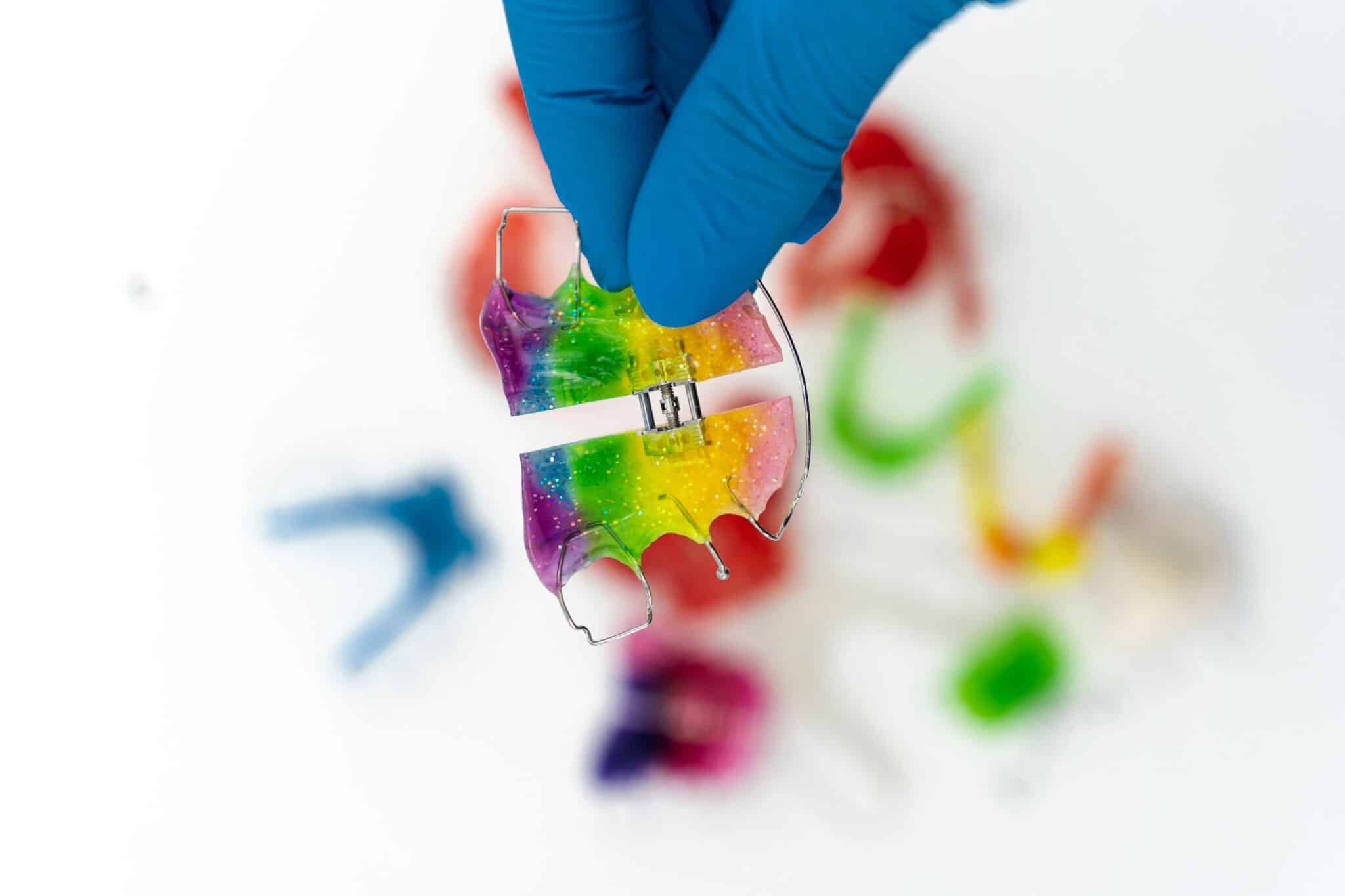
Keep your smile straight and avoid orthodontic relapse with these tips
Orthodontic treatment does not end when your braces come off or you complete your final set of aligners. In fact, one of the most important phases of treatment begins afterward—wearing your retainer. This small but powerful appliance helps keep your teeth in their corrected positions, protecting the time and effort you have invested in your smile.
But what if your retainer starts to feel… off? In this post, we will explain how to tell whether your retainer still fits properly, what it should feel like, and what steps to take if it no longer fits.
What Should a Retainer Feel Like?
Whether you are wearing a clear plastic retainer (Essix), a wire retainer (Hawley), or a fixed/bonded one, a well-fitting retainer should:
- Fit snugly but comfortably over your teeth
- Not pinch, shift, or cause pain
- Be easy to put in and take out (with a little resistance)
- Hold your teeth in position without forcing them
If you have missed a few nights of wearing your retainer, you may notice some initial tightness when you put it back in. This is normal, and any discomfort should ease within a few hours or after one night of consistent wear.
Signs Your Retainer No Longer Fits Properly
It is important to know when your retainer is no longer doing its job. Here are some clear signs that your retainer needs attention:
- It feels extremely tight or painful to wear
- You notice gaps, shifting, or crowding in your teeth
- The retainer is warped, cracked, or doesn’t sit flush with your bite
- It falls out easily or doesn’t stay in place
- You have not worn it in weeks or months
If your retainer no longer fits properly or causes discomfort, it may be a sign that your teeth have started to shift. Addressing this promptly is important to help prevent further movement.
How Quickly Can Teeth Shift?
Tooth movement can happen faster than many people realize. Missing just a few nights of retainer wear can lead to noticeable shifting—especially in the front teeth. The longer you wait, the more your teeth may drift, and the more difficult it can become for your current retainer to fit properly.
What to Do If Your Retainer Doesn’t Fit
If your retainer is too tight, broken, or no longer usable:
- Do not try to force it – You could damage your teeth or gums.
- Call your orthodontist right away – the sooner you are evaluated, the better the chance we have of creating a new retainer without restarting treatment.
- Bring your old retainer to the appointment – even if it no longer fits, it helps us understand your previous alignment.
- Watch for further movement – Track changes in your bite, spacing, or alignment while you wait for your appointment.
Caring for Your Retainer (So It Lasts Longer)
To help prevent problems, it is important to keep your retainer clean and protected:
- Clean it daily using a soft toothbrush and mild soap (avoid using hot water).
- Always store your retainer in its case when not in use.
- Never wrap your retainer in napkins—many are accidentally thrown away this way!
- Keep it away from high heat, including dishwashers, hot cars, and boiling water.
- Replace your retainer if you notice cracks, excessive wear, or persistent odors that don’t go away.
Final Thoughts: Consistency is Key
A well-fitting retainer is your best defense against orthodontic relapse. If your retainer doesn’t feel right or hasn’t been worn in a while, don’t wait—every day matters when it comes to maintaining your smile.
At Tebo Orthodontics, we are here to help you stay on track. If you think your retainer needs replacing or that your teeth are shifting, schedule a visit with us today. We will evaluate your bite and guide you through the next best steps, whether that includes a new retainer or additional treatment options.