


If your child is about to begin orthodontic treatment, you may have come across unfamiliar terms such as expanders, headgear, spacers, or elastics and wondered what they actually mean.
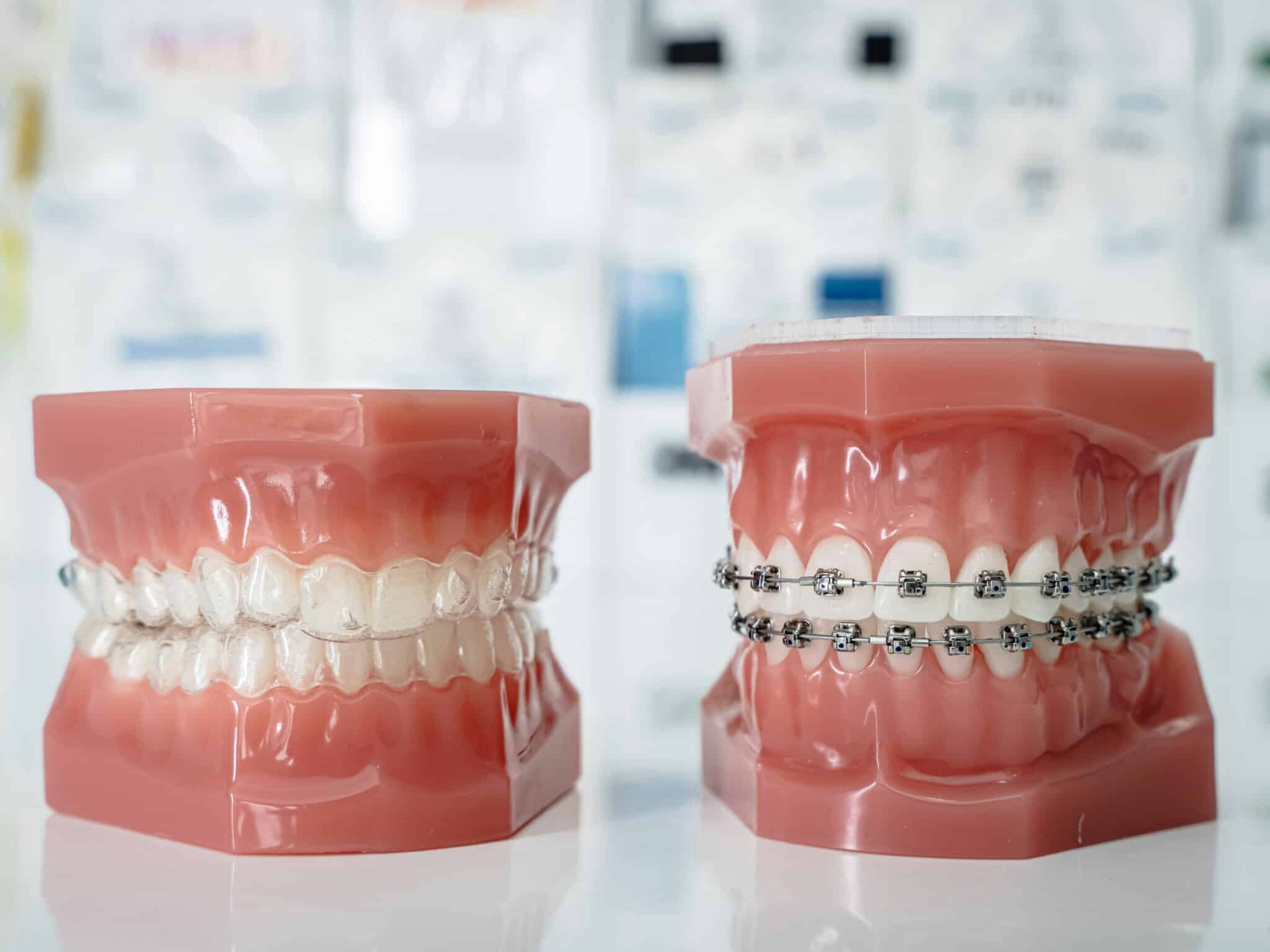
Orthodontics is about more than just braces. Depending on your child’s individual needs, an orthodontist may recommend different appliances to help guide jaw development, correct bite problems, and create room for permanent teeth to come in properly.
Knowing how these appliances work can ease uncertainty for both parents and children, helping everyone feel more confident throughout the treatment process.
Why Are Orthodontic Appliances Used?
Every child’s smile develops differently. Some children have crowding, crossbites, jaw alignment issues, or spacing concerns that require more than just brackets and wires.
Orthodontic appliances are designed to:
- Guide jaw growth in developing children
- Create space for crowded teeth
- Correct bite problems (overbite, underbite, crossbite)
- Improve overall facial balance
- Reduce the need for more complex treatment later
Many of these tools are most effective during childhood because the jaw is still growing.
Common Orthodontic Appliances Explained
1. Palatal Expander
A palatal expander is used to widen the upper jaw. It sits on the roof of the mouth and gently expands the arch over time.
Why it’s used:
- Helps correct crossbites
- Creates space for crowded teeth
- May improve breathing in certain cases
Parents are typically instructed to turn a small key in the expander each day. Although this may sound intimidating at first, the process is quick and generally causes only mild pressure rather than pain.
2. Headgear
Headgear is less common today than in the past, but it is still used in certain cases to correct jaw alignment.
Why it’s used:
- Helps correct severe overbites
- Controls jaw growth
- Helps guide molars into position
Headgear is usually worn at home or during sleep rather than at school. Consistent wear is essential for it be effective.
3. Spacers (Separators)
Spacers are small rubber rings placed between molars before braces are applied.
Why they’re used:
- Create space for orthodontic bands
- Prepare the teeth for the placement of braces
They may feel snug or slightly uncomfortable for a few days, but they are only temporary.
4. Elastics (Rubber Bands)
Elastics connect brackets on the top and bottom teeth.
Why they’re used:
- Improve bite alignment
- Correct overbite, underbite, or crossbite
Wearing elastics exactly as instructed is critical, since missing even a few days can slow down treatment progress.
5. Herbst Appliance
This fixed appliance helps correct overbites by gently guiding the lower jaw forward, and because it is securely in place, it works continuously 24 hours a day.
Why it’s used:
- Helps correct jaw alignment issues in growing children
- Can reduce the need for surgery later on
6. Retainers
Retainers are worn after braces to help maintain and preserve the results of treatment.
Why they’re used:
- Prevent teeth from shifting
- Maintain long-term alignment
Retainers are often needed long-term, sometimes even into adulthood, to keep teeth in their corrected positions.
Will These Appliances Hurt?
Most appliances may cause temporary pressure or soreness, especially during the first few days. This discomfort is normal and usually fades as the mouth adjusts. It can often be eased with:
- Soft foods
- Over-the-counter pain relievers, used as recommended
- Orthodontic wax
How Parents Can Help
Orthodontic appliances are most effective when patients follow instructions closely. Parents can support their child by:
- Encouraging consistent wear, especially for elastics or removable appliances
- Assisting with proper hygiene around appliances
- Ensuring follow-up appointments are kept
- Offering reassurance during adjustment periods
Providing positive reinforcement can make a big difference in keeping your child motivated and comfortable throughout treatment.
The Big Picture
While appliances like expanders or headgear may seem intimidating at first, they are powerful tools that help create healthy, lasting smiles. In many cases, early use of these devices can reduce the need for more complex treatments later.
At Tebo Orthodontics, we take the time to explain each appliance and ensure both parents and patients feel confident about the treatment plan. No surprises, just clear guidance and compassionate care.
Have questions about your child’s treatment plan?
Schedule a consultation today and let us walk through it together.